I'm Drone Bassan, a full-stack software engineer at Talis Trade and a Computer Science & Economics student at McGill. I design and ship real products, from the interface people tap through to the systems that power them.
Toronto, ON
I'm a full-stack developer based in Toronto. At Talis Trade I work across the stack: from the mobile app people actually tap through, down to the servers and market-data systems behind it. Alongside that I'm completing a double major in Computer Science and Economics at McGill.
I'm drawn to problems where correctness matters and the details are unforgiving: trading systems, real-time data, anything where being roughly right isn't good enough. Mostly I care about shipping things that work and hold up under real use.
A production fintech app, a contractor marketplace, a systematic trading system, and an AI document pipeline, a spread of the kind of software I like to build.
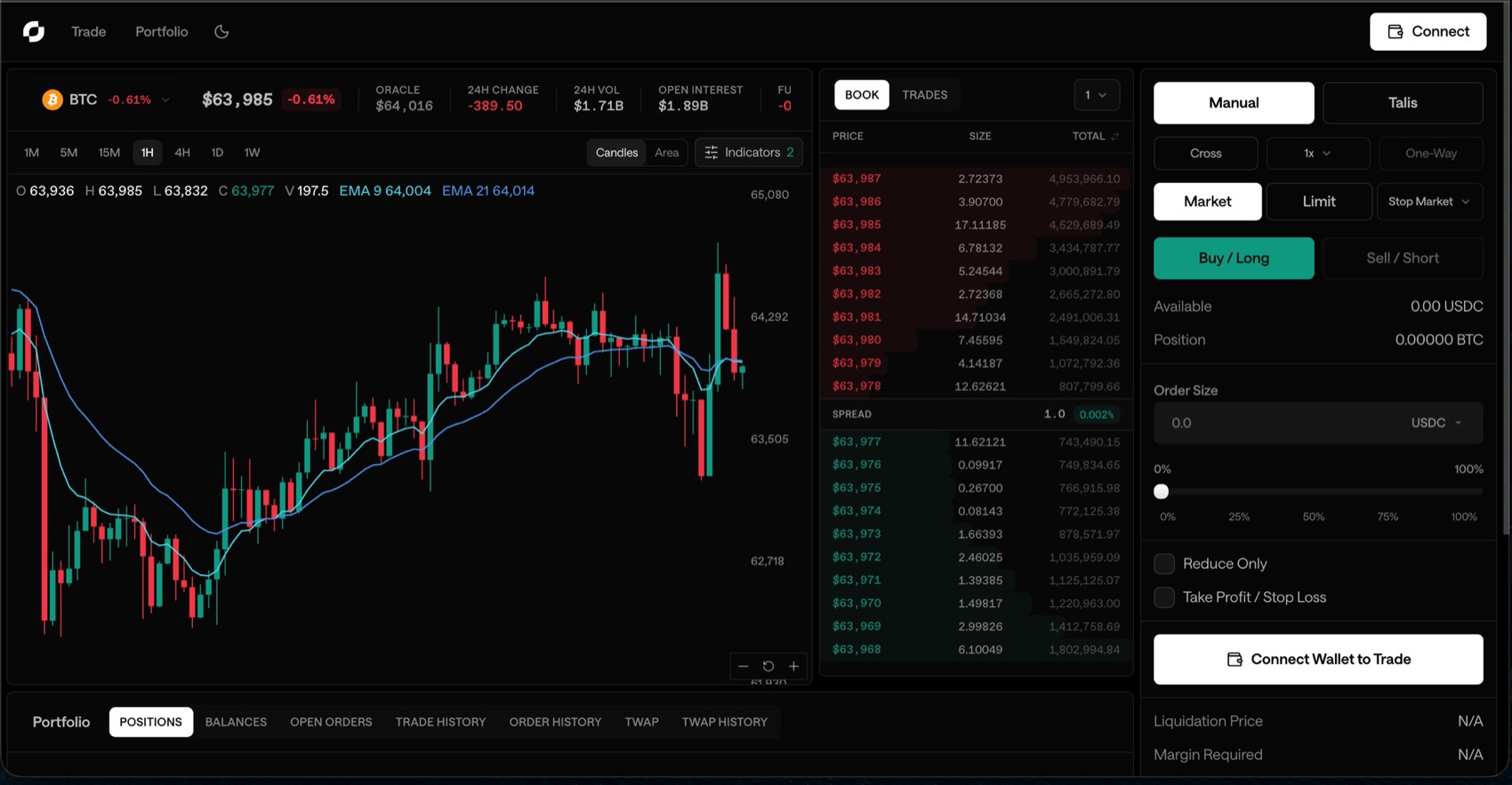
A self-custodial trading app I built and launched to the Google Play Store, bringing an existing iOS app to Android at full feature parity: perpetuals, equities, prediction markets, automated strategies, and a charting engine with more than 90 indicators. Engineered it to feel instant: keeping live price ticks from repainting the chart, caching indicator math, and moving key storage off the launch path.
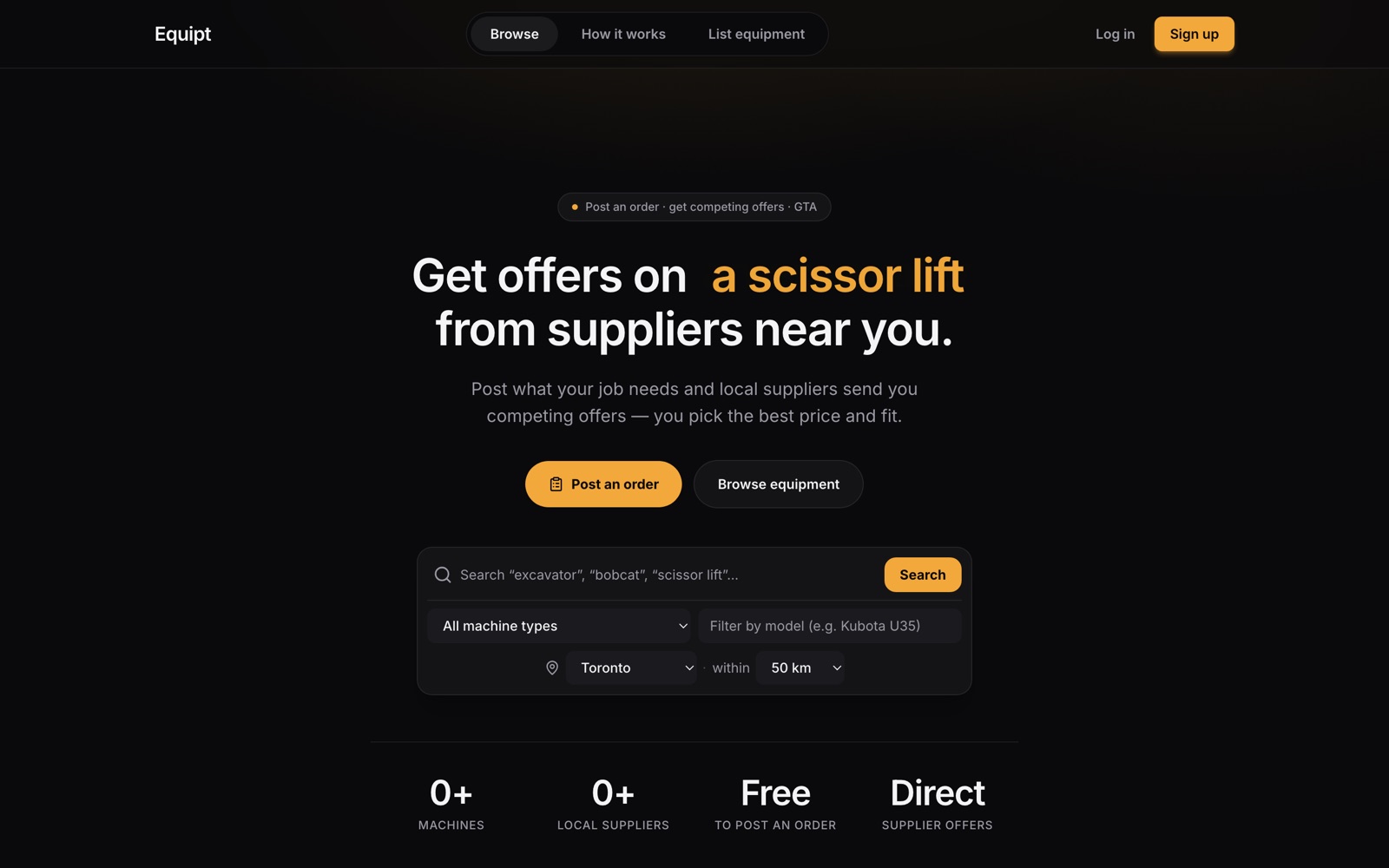
A marketplace that gives contractors real pricing power on equipment rentals by borrowing the RFQ (request-for-quote) mechanism hedge funds use to source liquidity. Instead of calling around, a contractor posts what a job needs and local GTA suppliers compete for it in a sealed-bid reverse auction, where bidders can't see each other's offers, so the contractor gets genuine competition and picks the best price and fit. Covers 25+ machine types with location-based matching, then hands off to direct messaging between the two parties.
Visit the marketplace ↗
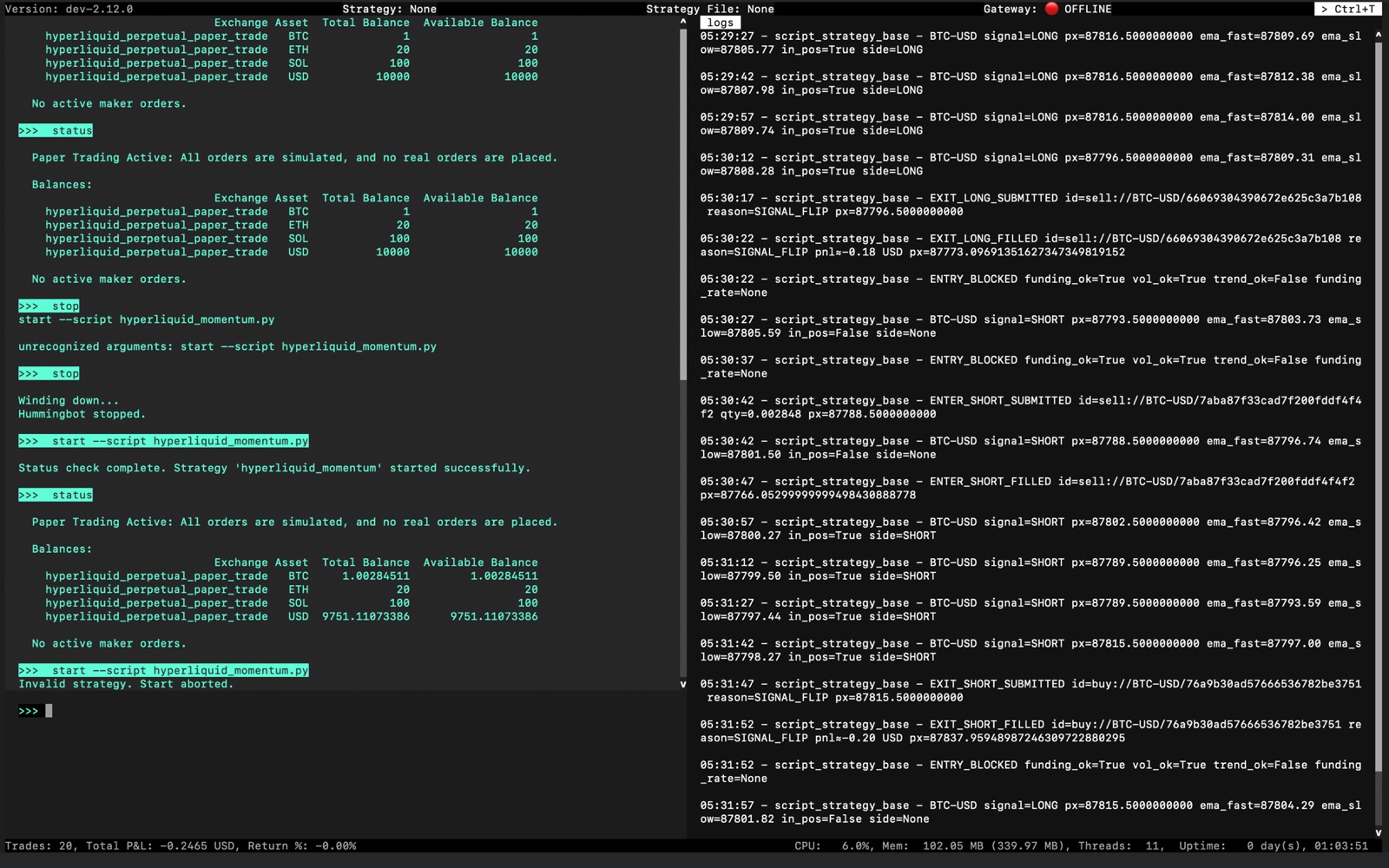
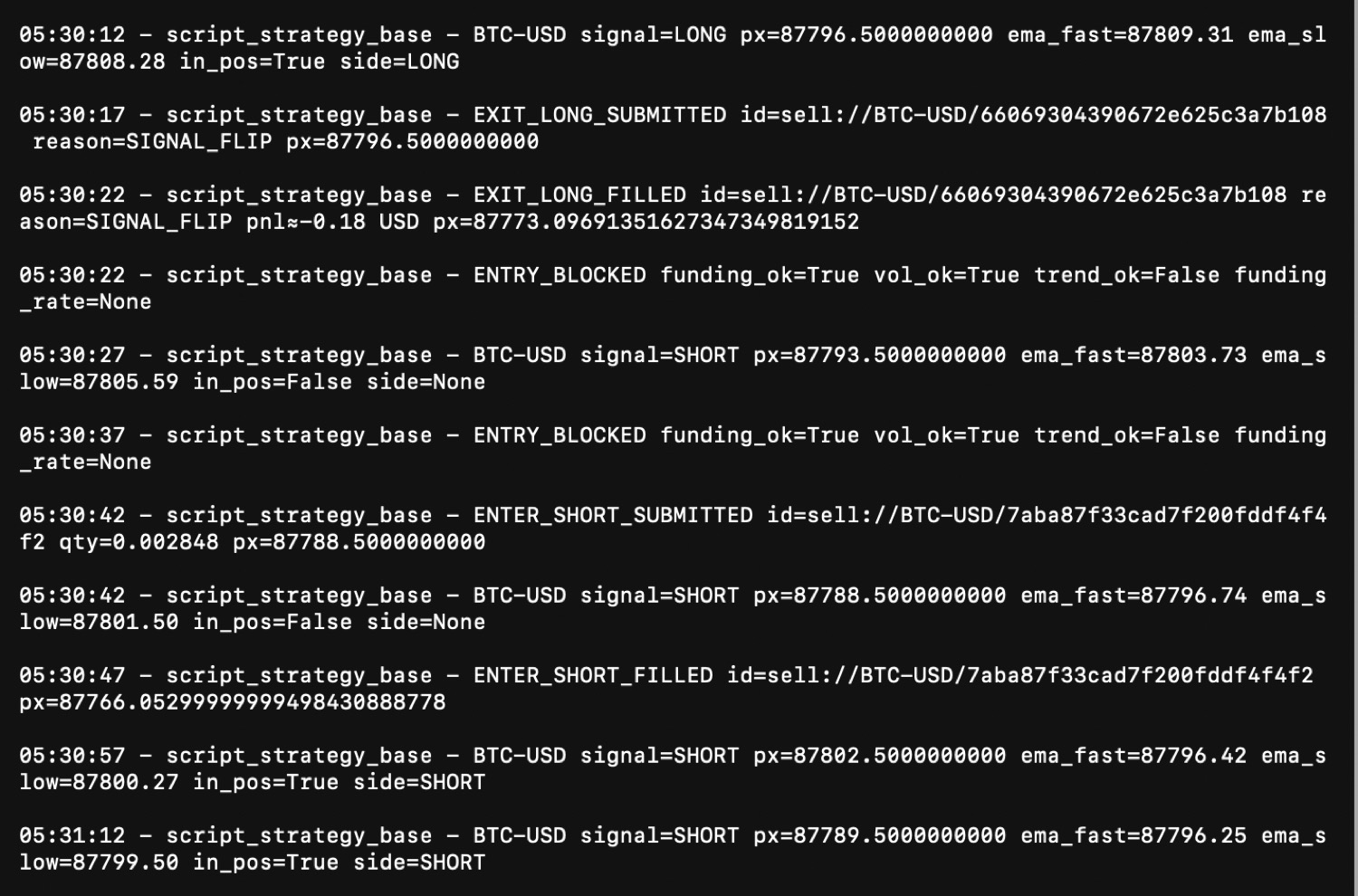
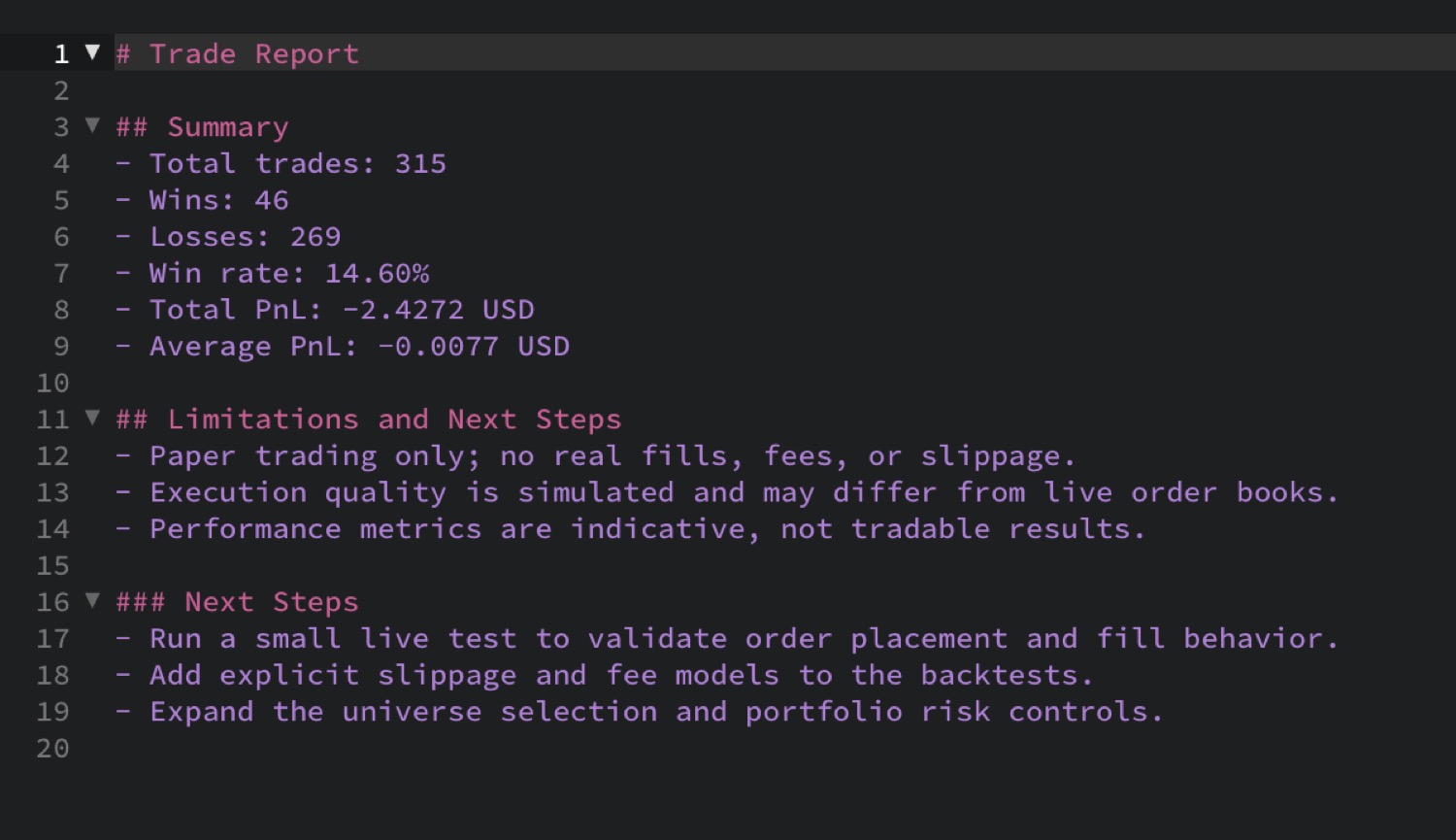
A full systematic trading system for Hyperliquid perpetuals, built from scratch. It selects the most liquid market across BTC/ETH/SOL, uses EMA momentum to decide long or short, and screens out poor conditions with funding, volatility, and trend-strength filters, wrapped in the risk controls a real trading desk expects: risk-based sizing, stop-loss/take-profit, time and signal-flip exits, and a daily-loss kill-switch. Validated through paper trading with a clean CSV and markdown audit trail.
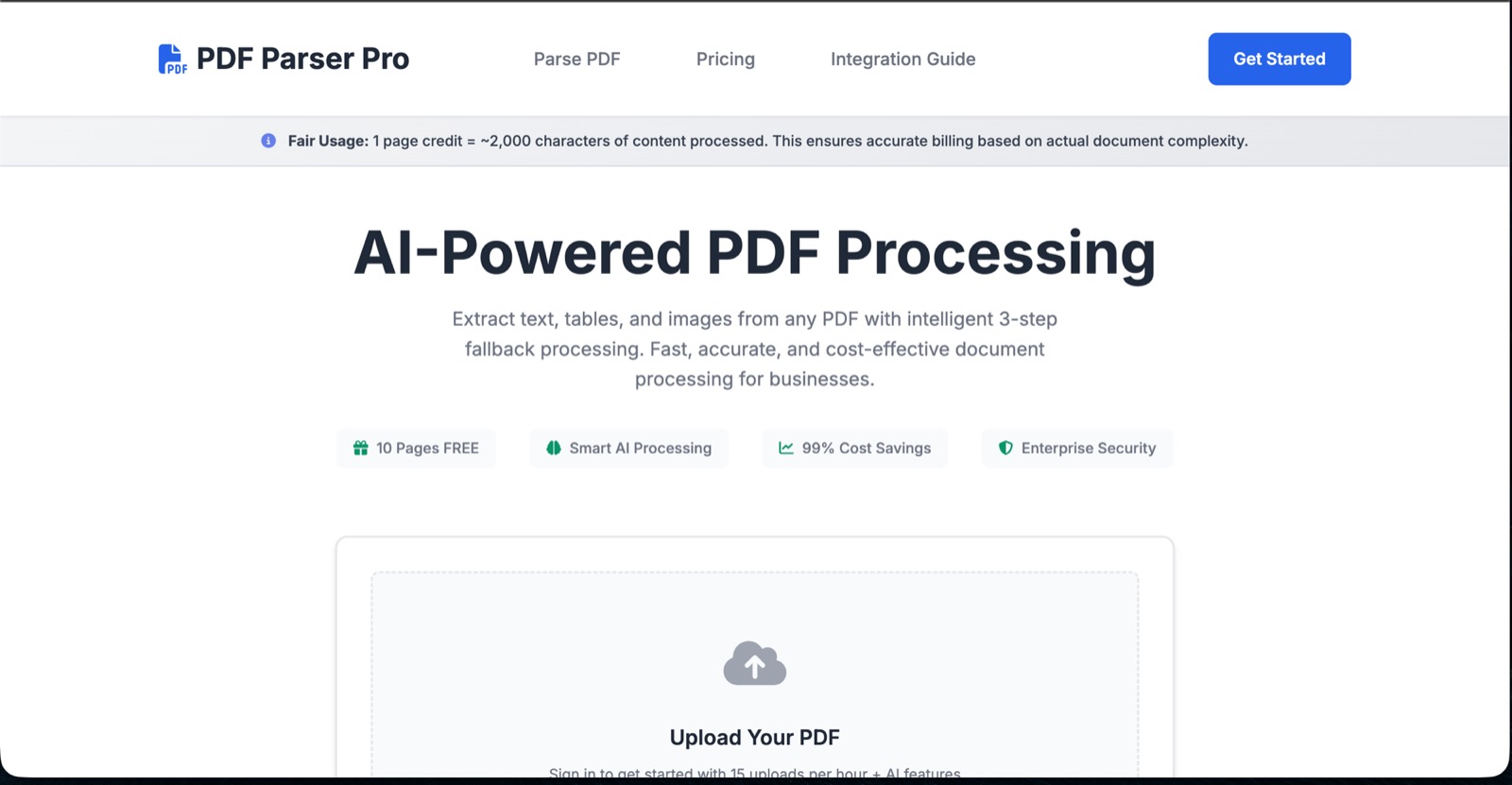
A Python system that pulls clean text out of any PDF, including scanned or blurry ones, using a three-step fallback: it tries pdfplumber first, falls back to Tesseract OCR, and finally uses Gemini 2.5 Flash for the layouts the first two can't handle. Takes any uploaded PDF and returns text that's ready to summarize, search, or pull structured data from.
Visit pdfparserpro.com ↗
I'm always up for a conversation about software, trading systems, or an interesting problem worth solving.